
We are taught growing up that the beginning of a story is key. Start with an attention grabber that will make people want to read what else you have written. I am officially apologizing to all my elementary and middle school english teachers: I have no exciting beginning to this blog post. However, I hope you keep reading anyways.
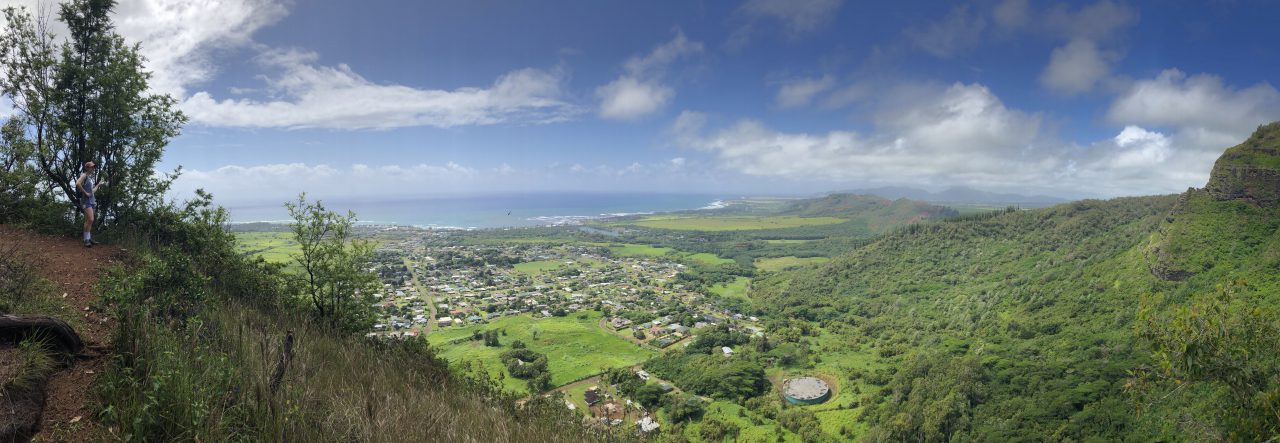
Patrick and I want to Trieste.Trieste is in the region of Fruili- Venezia Giulia (yay for region #16) and from a map in doesn’t even look as if Trieste is part of Italy. Ironically, Trieste has been controlled by so many different rulers, I am not even sure how Italian the city can be. As one of the friends we met in Trieste explained, “Triestians have a lot of pride, but mostly pride for Trieste because after being controlled for so long it seems that the only people they have is themselves.”
(For you curious history buffs: Starting from 2nd Century BC Trieste was invaded and conquered. First by the Romans, then huns, lombards, Venice, Austria, Germany, Yugoslavia, Allied Military Government (aka USA) and finally Italy in 1954. Talk about a struggle for identity.)
Due to this Patrick and I found Trieste to be one of the most interesting cities that we have visited so far. We were originally planning to spend one day in Venice while in Trieste but we decided (happily) to stay the whole time in Trieste and explore.

WHAT MAKES TRIESTE STAND OUT?
1. Tourism Center
Patrick and I agreed that Trieste was by far the most tourist friendly. They have an amazing deal (which is advertised very well) where you can buy a “tourist pass” for 48 hr, 72 hr, or 1 week. With this card you get free entrance to many museums and exhibits, as well as usage of public transportation. We paid 23 euros each for a 72 hour card…only 6 euros more than the 72 hour card we purchased in Rome which only gave free transportation.
One of the best things that came with this card was a walking tour (in both Italian and English) of Trieste. After our 3.5 hour walking tour, Patrick and I not only felt like we knew our way around the city, but we understood the significance of it as well. (We also felt like our legs were going to fall off and our brain was fried…but no pain no gain, right?)
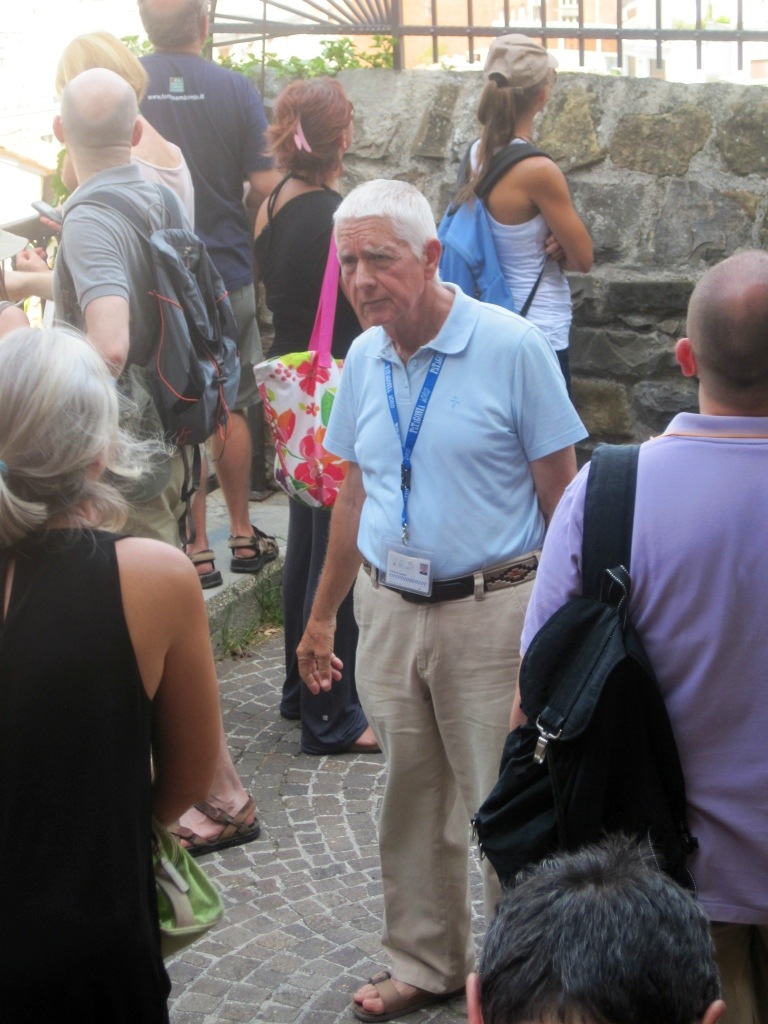
Our adorable and informative tour guide
2. Grotto Gigante
Grotto Gigante translates to literally mean: Big Caves. Grotto Gigante is the largest tourist cave (open to the public) in the world. Yes, this is true. The Guinness Book of World Records confirms it.
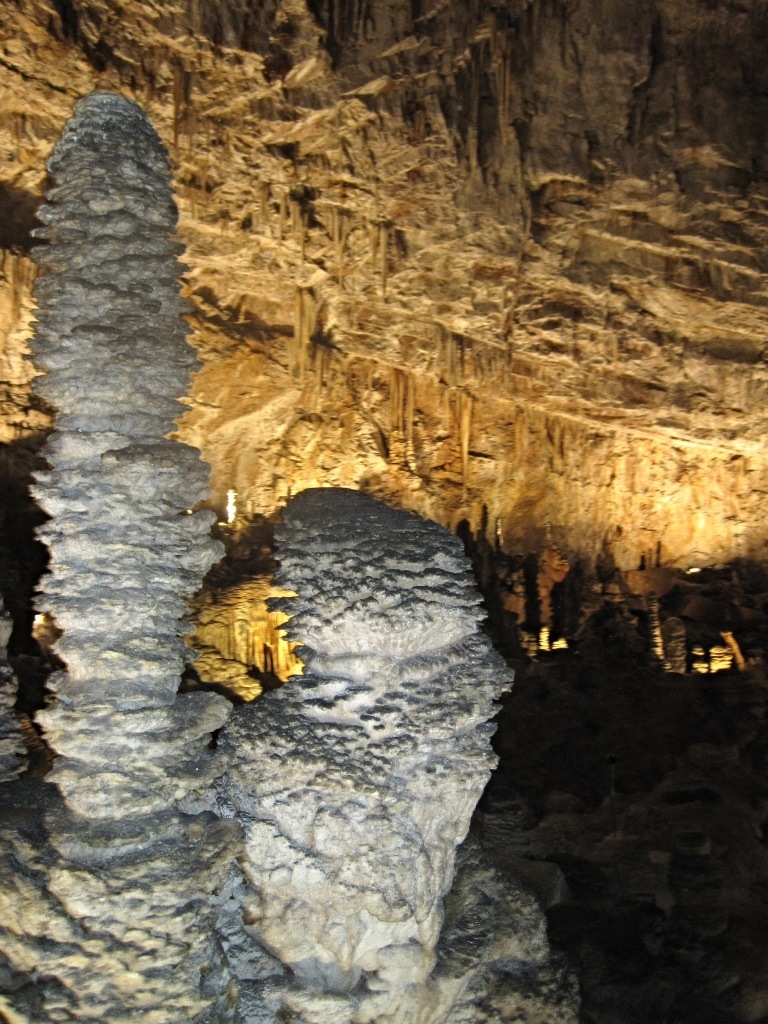
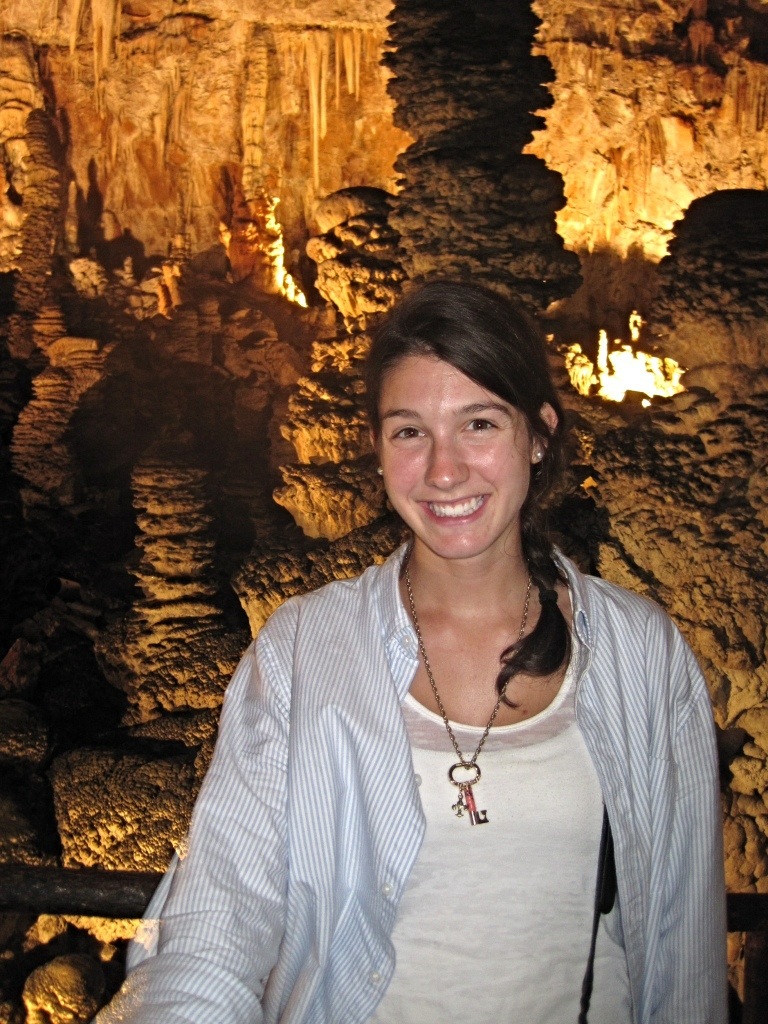
I took a lot of notes during our tour of the caves. To be honest, I didn’t understand half of it because it was all science talk. I’m not really sure how the caves were formed. I do know that they were discovered in 1840 and in 1908 was the first year tourists were allowed inside. I also know (from personal observation) that it is freezing in the caves. This makes sense because we walked 100 m down (500 steps). Silly me, I didn’t bring a jacket because I thought I would love the cold air. Luckily, Patrick was kind enough to let me wear his shirt!
3. Castle Miramare
Castle Miramare is a beautiful castle overlooking the sea (I know, it already sounds cliche).
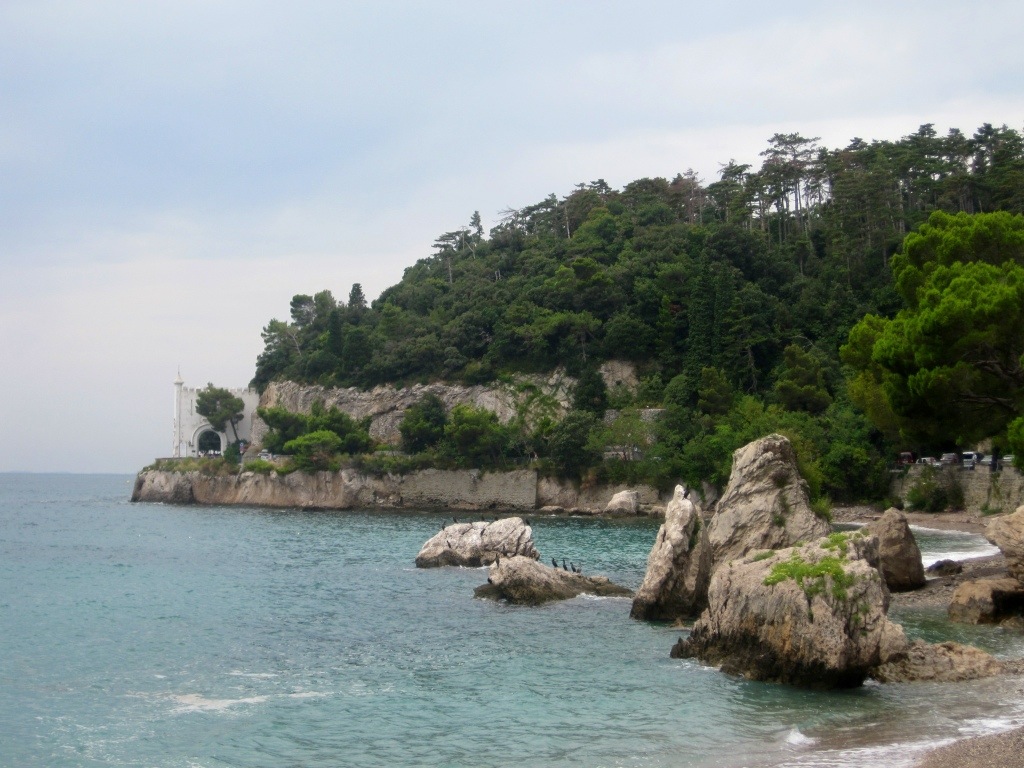
Except that this castle has been habituated by so many different people it accurately reflects the history of Trieste. That, and the fact that is literally rests on the edge of the sea with a HUGE park as a backyard. Most interestingly (and most applicable) is that Castle Miramare was the headquarters for the US Army for 7 years. There was even a plaque in the garden/park/backyard commemorating them.
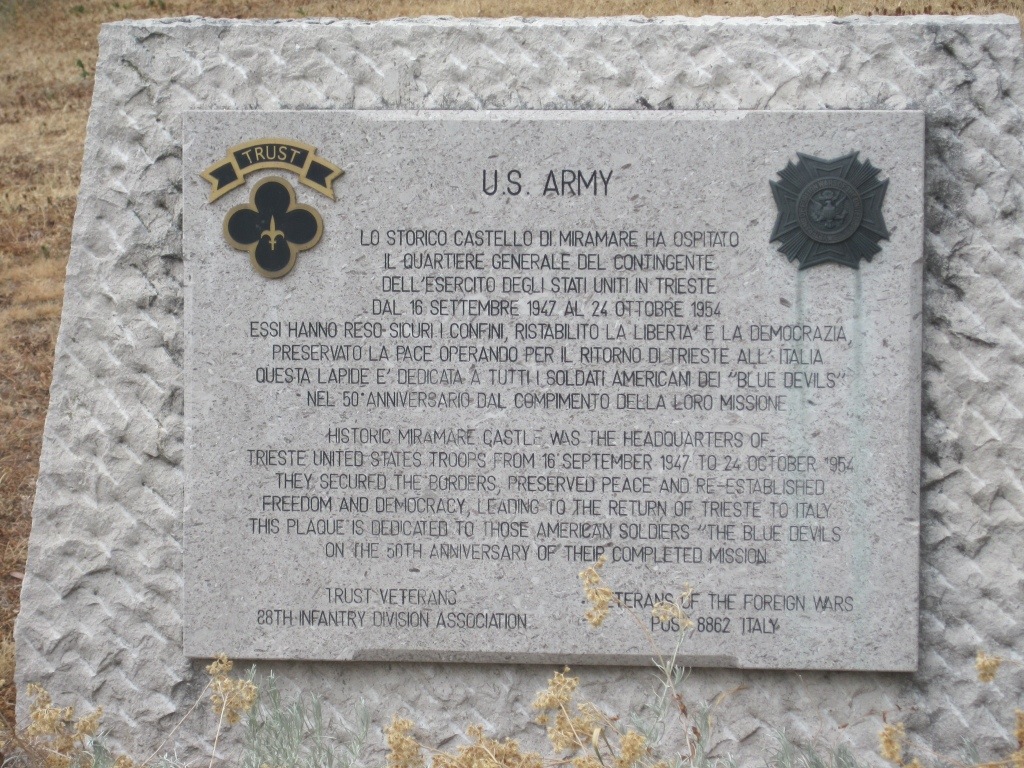
All I’m saying is that I would not have a problem if this was my house.


4. Remembrance Park
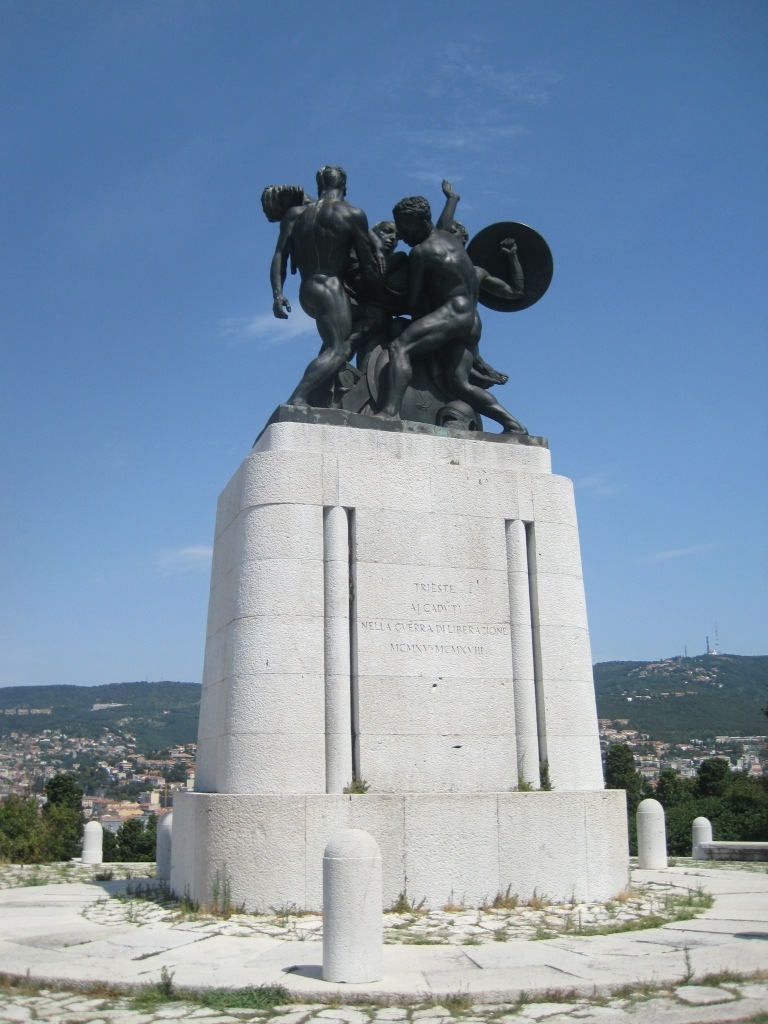
On our walking tour we stopped at Remembrance Park, an open area the Cathedral and the Roman Forum of Trieste (only slightly different than the Roman Forum in Rome).
I really want to highlight this place because, unlike America, there does not seem to be many places in Italy with memorials to soldiers. This park is a two-fold. It’s first memorial is a statue commemorating the soldiers in the War of Liberation from 1915-1918. Many Triestans have a problem with this inscription because the solider actually began fighting in 1914, essentially meaning that the soldiers who died between 1914-15 are not honored.
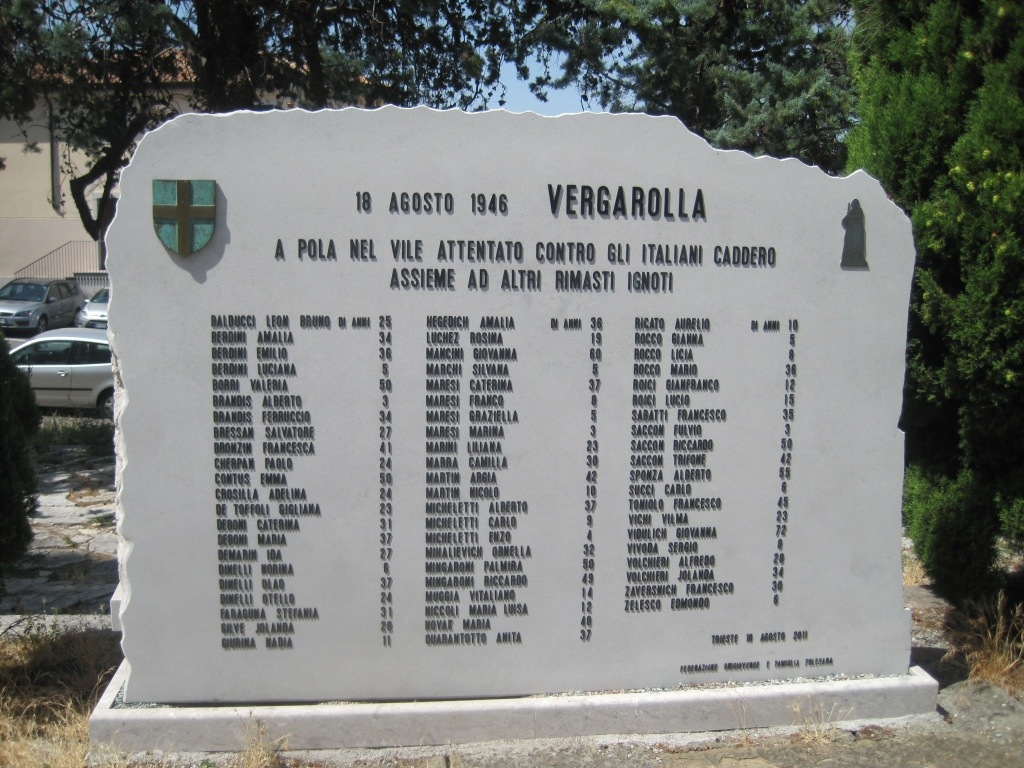
The second memorial is a plaque of remembrance for a tragic event that happened in August 1946. On a hot summer day, two mines exploded in the sea and killed many people of all ages who were swimming. Many families lost more than one member in this horrific event. To this day, they do not know who was at fault for the bombs.
5. Diversity
I still have yet to get over the fact that Trieste is SO diverse. Italy is not known for its diversity. You are judged based on the way you look because Italians marry each other and have more Italian babies. Trieste initially became a city of diversity when Charles the Sixth declared Trieste a free port. This brought people of all different types to the city. With people other than Italian origin, there comes different religions.Trieste is the first city I have been to where there are so many different places of worship. There are cathedrals (obviously), Greek Orthodox Church, Synagogue, and Serbian Orthodox, to name a few. On our walking tour we passed an after school playground where children can come do their homework and play. The unique aspect? Religion doesn’t play a role in the after school program at all (an anomaly for Italy). I was shocked when we were walking around town and we saw interracial marriages and interracial friendships.
I am not trying to suggest that Italians are all racists. However, Italian citizenship is based on blood. And if you don’t have Italian blood, you cannot be Italian. It was really neat to visit an area of Italy that didn’t follow this philosophy so strictly.
6. The People!
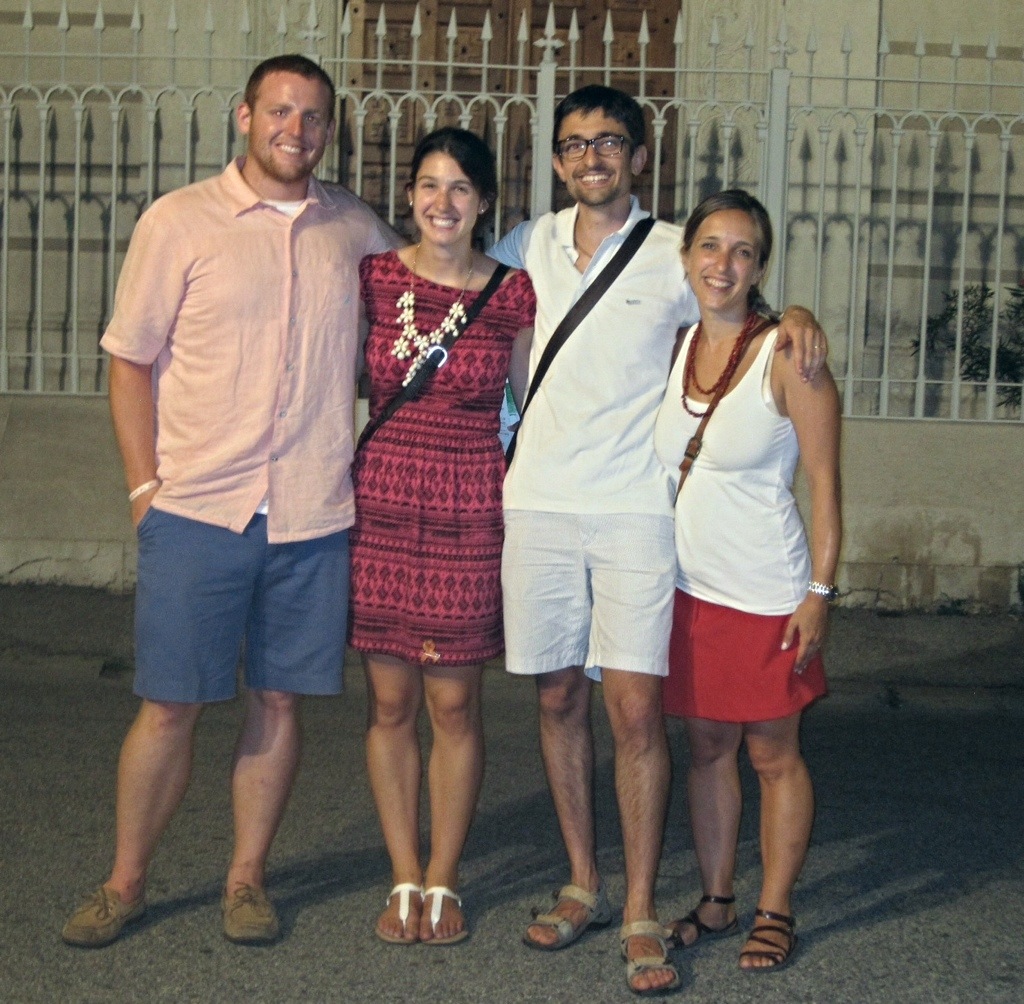
Originially, Patrick and I planned to Couchsurf while in Trieste for two nights. Due to some miscommunications it didn’t work out and we ended up staying in a hotel for all four nights. However, Lisa & Fausto (the couple we were originally supposed to stay with) became great friends of ours! The very first night we met them at a concert in the center of the city with some of their friends. They went out of their way to give us a quick tour of Trieste and suggestions for our stay in the city. Two nights later, they called us and invited us to dinner. The night was full of delicious food, laughter and games. The night after that we met up with them in the center and ate gelato while playing more games with some of their friends. Not only were Lisa & Fausto fun to be around, but they were quick to welcome us into their group of friends. We can’t wait for them to come visit us in America!
What else does Trieste have?
Water, water, water
Gotta love any town located on the water. We only made it to the beach once, but I am so glad we did.
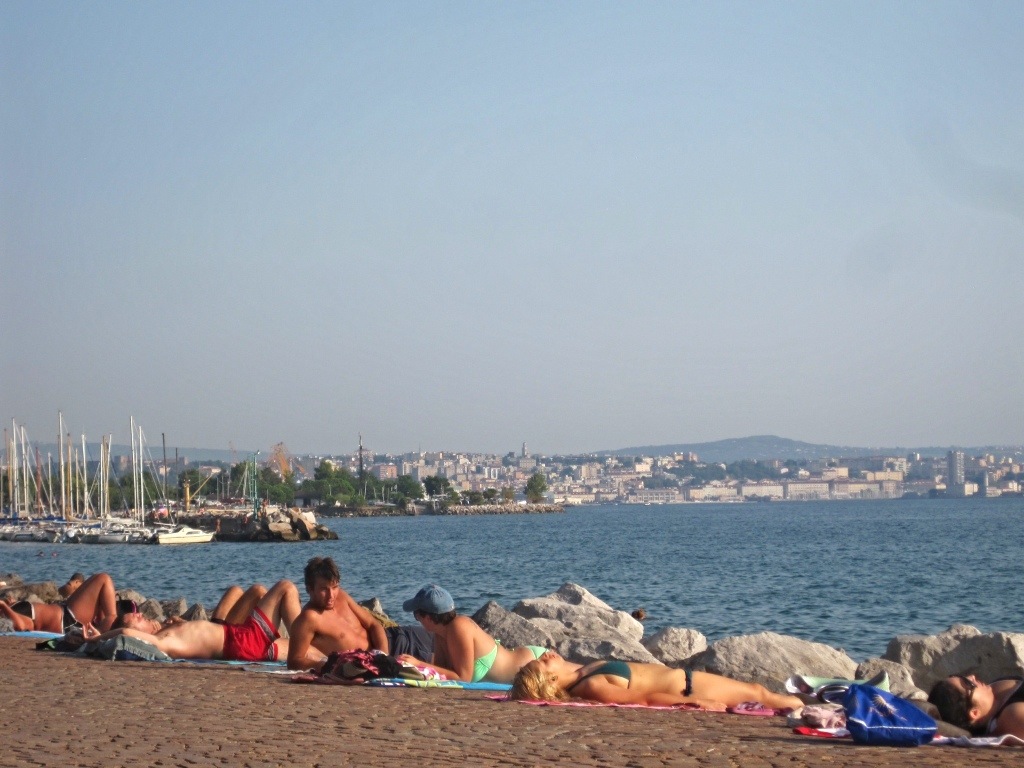
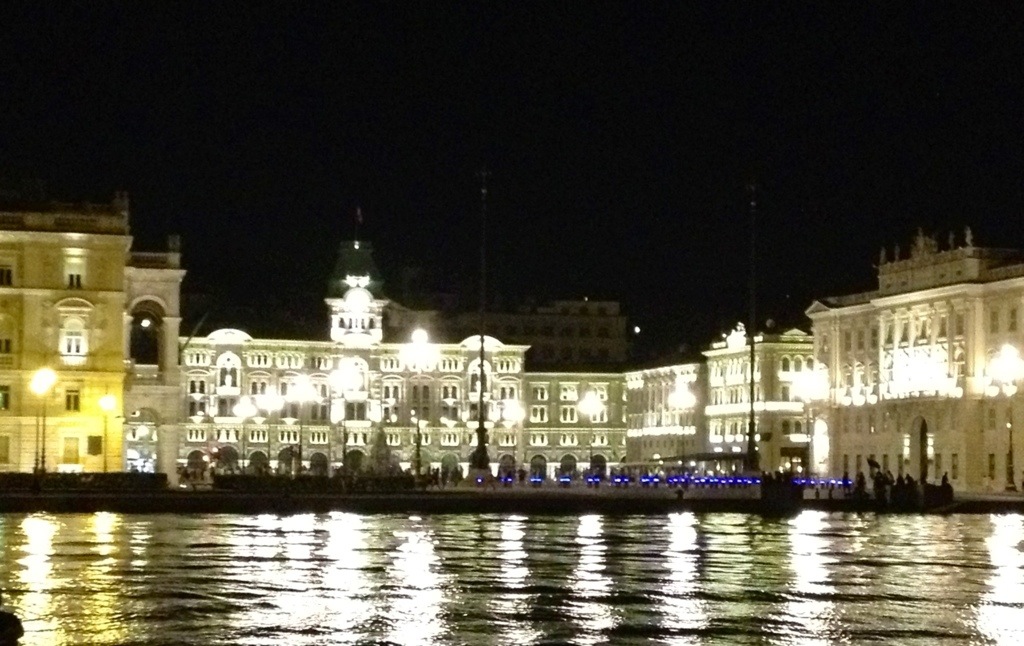
In addition, being on the water Trieste has a lovely view during the day and at night.
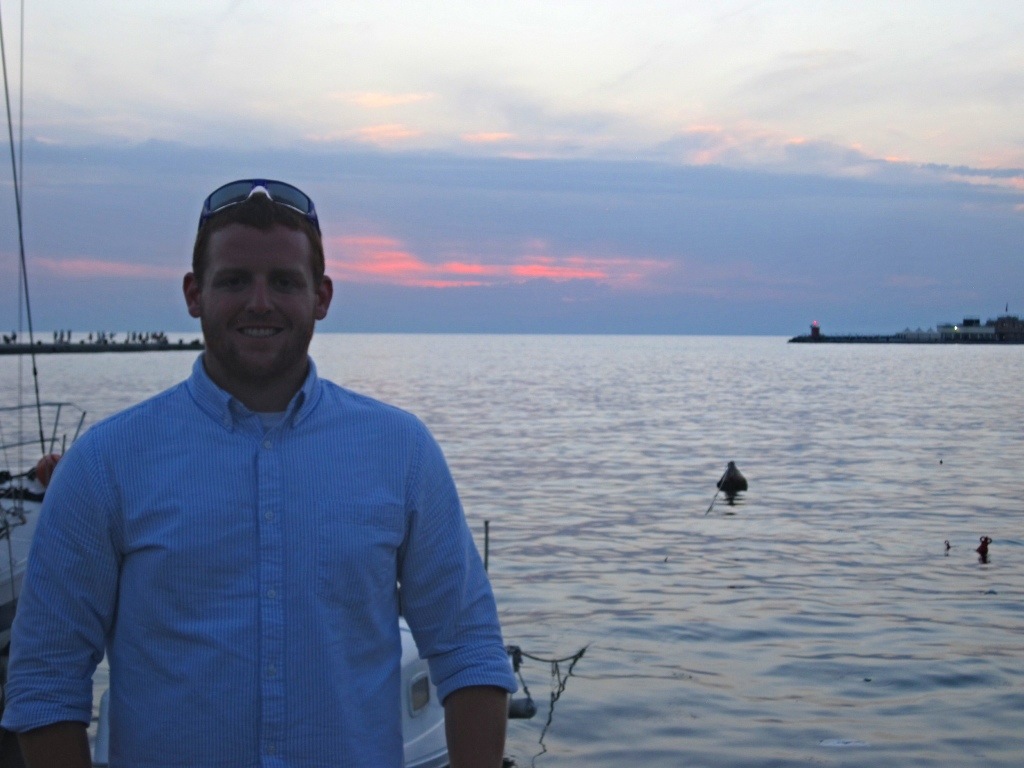
Trieste started off as a city without a clear sense of belonging with any nation. Since joining Italy, Trieste has further flourished as a city to live in and visit. Would we go back to Trieste? ABSOLUTELY. Highly recommended 🙂
 Taking Little Steps